Okay, folks, buckle up, because what's happening with Uber right now isn't just about getting from point A to point B. We're talking about a fundamental shift in how technology understands and caters to our individual needs. We're seeing the very first brushstrokes of a truly personalized transportation landscape!
The numbers alone are staggering. A 50% surge in Uber ride volume? That's not just a rebound; it's a roar. It’s a sign that people are ready to embrace the convenience and flexibility that ride-sharing offers. But what's really exciting is the why behind the numbers. People are not just going back to what they knew. They are embracing ride sharing with new appreciation for the convenience it provides. The rise in ride volume indicates a renewed interest in transportation alternatives, and I’m here for it.
But here’s where it gets really interesting. Look at Uber and Lyft rolling out women-only ride options. I remember reading about the lawsuits – male drivers suing over discrimination, the Heritage Foundation frothing at the mouth about Project 2025… and honestly, my first reaction was just a deep sigh. But then I took a step back.
This isn't just about safety, though that’s a critical piece of it. What Uber and Lyft are really doing is experimenting with hyper-personalization. The ability to say, "I want this kind of ride, with this kind of driver, under these specific conditions."
Think about it: for years, we've been stuck with a one-size-fits-all approach to transportation. You open the app, you request a ride, and you get… whoever is available. Now, imagine a future where that request is far more nuanced. What if you could specify a preference for a driver who speaks a particular language? Or a car with specific accessibility features? Or even a driver who shares your taste in music?
The potential here is enormous. We are seeing a new era of transportation, and I think the expansion to 26 more cities, and expanding it to teen riders for the first time, is a great idea. Women Preferences Expands to 26 Cities
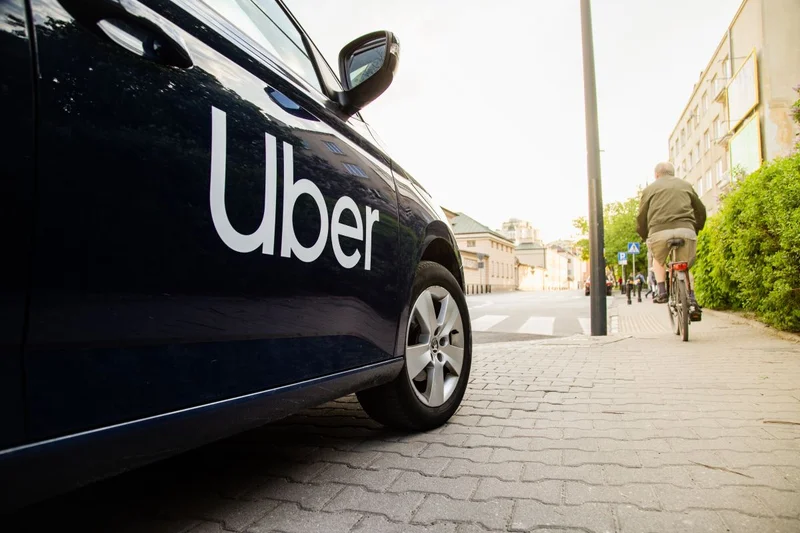
Of course, with this kind of power comes responsibility. We need to be incredibly careful about how these preferences are implemented. We cannot allow these features to be used for discrimination, conscious or unconscious. The Unruh Act in California is a step in the right direction, but we need more.
But let's not throw the baby out with the bathwater. The core idea – that technology can be used to create a transportation experience that is tailored to your specific needs and preferences – is incredibly exciting. It’s a paradigm shift.
It is similar to when Waymo has offered driverless rides in San Francisco for a few years. The company opened the service up to anyone who downloads its app in the city last year. I think that is a great idea.
I saw a comment on Reddit the other day that perfectly captured this sentiment: "I just want to feel safe and comfortable. If this helps, I'm all for it." That’s the human element that often gets lost in these debates. It’s about creating a sense of security and control in a world that often feels chaotic and unpredictable.
And I know there are ethical considerations here – of course there are! We have to be vigilant against bias, against exclusion, against reinforcing harmful stereotypes. But the potential benefits – increased safety, increased accessibility, increased comfort – are too significant to ignore.
What does this all mean for the cost of an Uber ride? That's the million-dollar question, isn't it? Will these personalized options come with a premium? Will they be accessible to everyone, or just those who can afford them? These are critical questions that Uber, Lyft, and other ride-sharing companies need to address head-on.
This isn't just about apps; it's about empowerment. The future of transportation isn't just about getting from A to B, it's about shaping the journey your way.